By Anthony Mwangi
In the execution of its constitutional mandate, SRC operates under sustained public and media scrutiny. Media engagements form a critical interface between SRC and the public, providing an avenue for accountability, transparency, and clarification of SRC decisions, advice and circulars.
Effective media engagement requires clarity of mandate, message discipline, and strict observance of constitutional and statutory boundaries.
A media interview training is, therefore, designed as a structured capacity-enhancement platform to strengthen the Commission’s ability to engage the media effectively, professionally, confidently, and in a manner that safeguards the independence, credibility, and institutional integrity of SRC.
This also comes from a background where SRC is frequently called upon to respond to media enquiries and requests on matters relating to allowances, remuneration, benefits, affordability and fiscal sustainability of the wage bill, court decisions impacting SRC, among others.
The evolving media landscape characterised by live interviews, digital platforms, and rapid news cycles, increases the risk of misinterpretation, misreporting, and reputational exposure for SRC.
To support informed, consistent, and mandate-aligned communication, the Corporate Communications Department organised a training on practical interview techniques, institutional messaging, and risk management, among other modules.
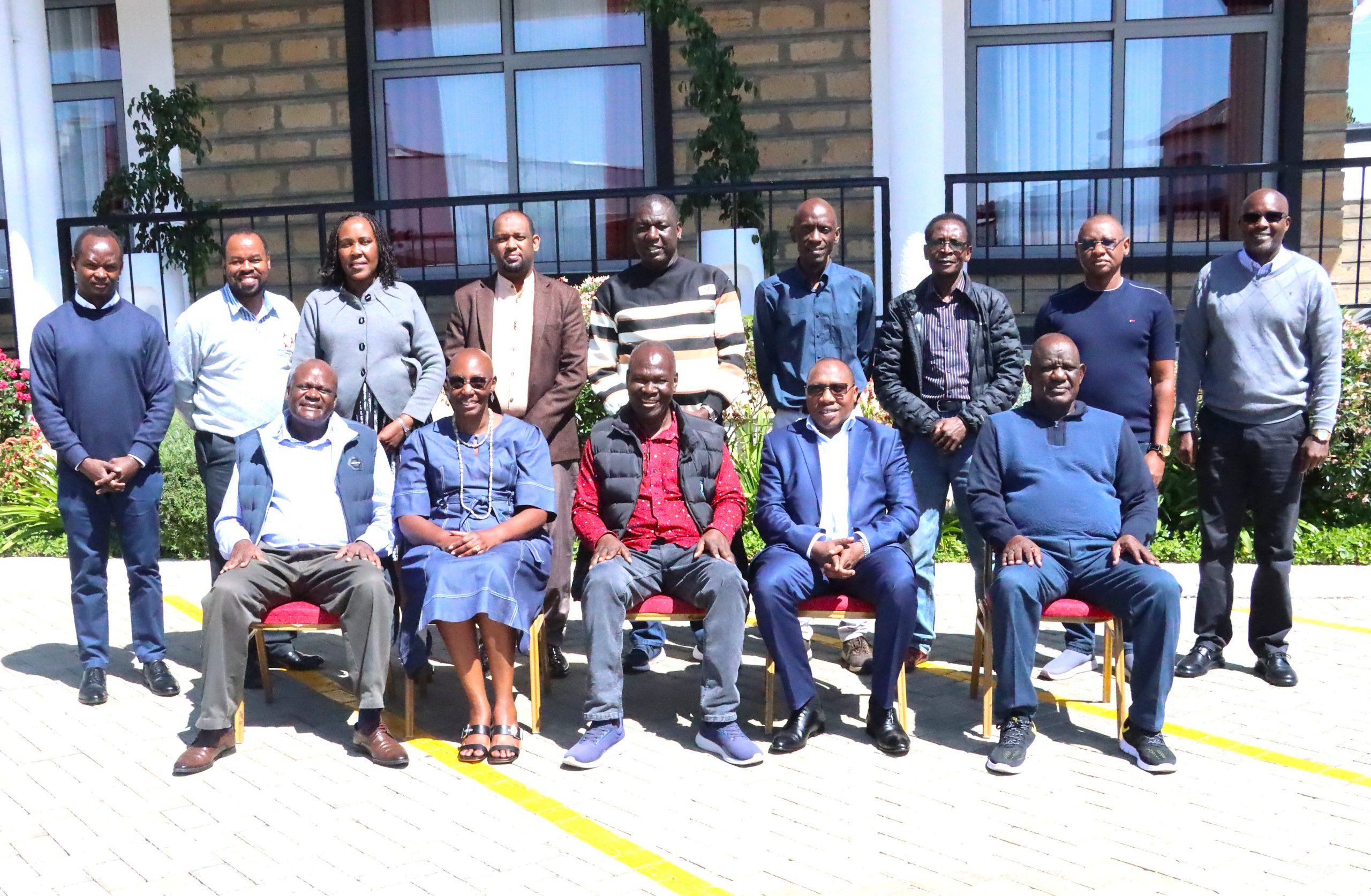
The capacity enhancement session on media interview techniques and awareness of the media landscape in Kenya was held in Naivasha on 16 March 2026, and facilitated by Prof. Owino Opondo, a seasoned media professional.
The session was designed to strengthen the Commission’s strategic engagement with the media, enhance public communication, and reinforce SRC’s position as a credible and authoritative voice on remuneration and the wage bill in Kenya.
The training underscored the importance of a constructive relationship between SRC and the media, with emphasis on the deliberate, accurate, and timely dissemination of information. It also highlighted the need to align SRC’s messaging with its constitutional mandate, while ensuring clarity, consistency, and responsiveness to public expectations.
During his presentation, Opondo explained the strategic importance of media engagement in advancing SRC’s mandate, particularly in communicating key issues such as the wage-bill-to-revenue ratio and broader public service remuneration matters.
He emphasised that SRC must take a deliberate approach to shaping public narratives, including the preparation of structured information sheets to guide media coverage and promote accurate reporting.
He further noted that an interview lies at the intersection of the interviewer’s objectives, the interviewee’s agenda, and audience expectations. Commission Members were guided to engage in interviews only when there are clear objectives and thorough understanding of the subject matter.
He also stressed the importance of pre-interview preparation, including confirmation of the topic, duration, and format of the interview.
Opondo highlighted the role of the Commission in media engagements as one of accurately representing SRC’s mandate, principles, and functions.
This includes disseminating and clarifying information, correcting misinformation, and safeguarding the Commission’s reputation.
The Commission was further encouraged to uphold honesty and transparency, including acknowledging gaps while providing updates on ongoing or planned interventions.
The presentation also covered practical communication and interview techniques expected of the Chairperson and Commissioners when engaging with media platforms. Participants were encouraged to collaborate with interviewers while remaining firm on key messages.
Guidance was provided on handling different media formats. For broadcast media, the emphasis was on presentation, clarity of speech, and avoiding distractions, while print media was described as relatively easier to manage due to its more structured nature.
Across all platforms, punctuality, preparedness, and professionalism were strongly emphasised.
The session reaffirmed the constitutional basis for SRC’s engagement with the media, rooted in the principles of public participation and the public’s right of access to information. This reinforces SRC’s obligation to communicate its work and impact proactively.